Blog
Betting Near the State Line: How Geolocation Works When You Live Next to Maine or Massachusetts
Under New Hampshire Revised Statutes Annotated 287-I, the New Hampshire Lottery holds legal authority to conduct and regulate sports wagering across.
Age 18+ (21+ at some operators) Entertainment, not income Help: 1-800-MY-RESETAdvertising disclosure
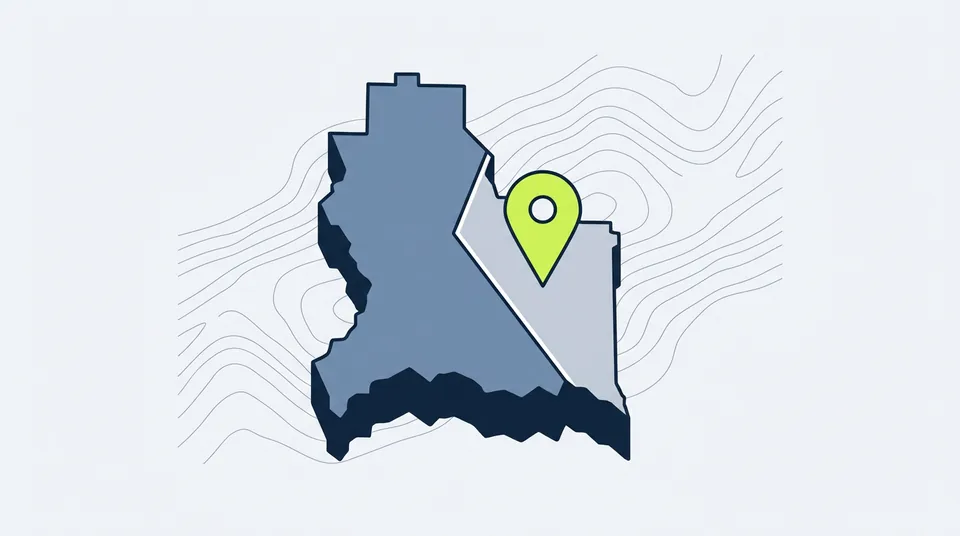
Under New Hampshire Revised Statutes Annotated 287-I, the New Hampshire Lottery holds legal authority to conduct and regulate sports wagering across the state. Under that statute, a bettor using DraftKings, the licensed operator for regulated online sports betting in New Hampshire, must be at least 18 years old and physically present inside state borders to place a wager.
Where you live does not settle where you can bet.
A permanent home address in New Hampshire gives an account holder identity standing on file. It does not give that account holder permission to submit a betting slip from an inch beyond the state boundary. Every time a bettor logs in, deposits money, or attempts to make a wager, the system checks physical presence at that exact second.
For residents who commute along the Interstate 95 corridor toward Maine or live along the southern border near Massachusetts, that legal line is immediate.
State lines divide legal frameworks abruptly. The device in your pocket must satisfy the legal geography of the state where it sits when you tap the screen, regardless of where you pay property taxes or receive your mail.
A Border Is Not an Address
Regulators separate residential identity from physical location. When an individual creates an online wagering profile, the operator takes the user's personal details to establish identity. That profile remains tied to the account. Yet the New Hampshire Lottery mandates that sports betting geolocation state line checks occur automatically whenever a user attempts to log into an account and access its regulated services.
Holding a verified New Hampshire driver's licence does not exempt anyone from this live check.
If an account holder drives across the Piscataqua River into Maine or crosses south toward Massachusetts, the permission to wager under New Hampshire regulations stops at the boundary. The New Hampshire Lottery states that an individual must be physically located within New Hampshire to deposit funds into an iLottery account, purchase an iLottery ticket, or purchase an iLottery ticket through its services. The rules strictly prohibit deposits, ticket purchases, or attempted transactions while the individual is physically outside state lines.
Once a patron leaves the application or closes the service, the tracking stops. Published regulatory terms from the New Hampshire Lottery state that a user's location is not checked after the user leaves the services.
The requirement is absolute during active access: no physical presence inside the state means no legal wager.
What the Wagering System Is Checking
State administrative rules define these verification tools precisely. Under Chapter 62 of the rules established by the Maine Department of Public Safety on April 7, 2024, a geolocation system is defined as an automated process or technical system used to detect a patron's physical, geographical location when that patron attempts to access the wagering system and place a wager.
Maine requires every mobile sports-wagering operator or management-services provider to maintain a geolocation system capable of reasonably detecting a patron's physical coordinates. The system must monitor and block unauthorized attempts to enter the betting platform from outside permitted areas.
The New Hampshire Lottery uses a mix of geolocation technologies and verification methods to confirm where a user is standing.
When a patron uses a web browser rather than an application, the verification workflow requires an extra step. The Lottery states that location verification may rely on browser location services, which obtain the device's geographical position only after the user grants explicit permission. Without that consent, the browser cannot run the required check, and access to the wagering service halts.
Regulators do not write technical requirements for general convenience. They write them to create an auditable, defensible legal perimeter around state-authorized gambling.
Crossing the Border Between Regulated States
State boundaries create immediate legal divisions for mobile sports wagering. What is permitted on one side of a river or highway line does not carry over to the other.
When a bettor crosses from New Hampshire into Maine or Massachusetts, New Hampshire's regulatory authority under RSA 287-I stops. A New Hampshire account cannot be used to place bets under New Hampshire rules while the device is in another state. If a bettor wants to wager while physically standing in Maine or Massachusetts, that activity is governed entirely by the laws, licensing structures, and regulator directives of Maine or Massachusetts.
The requirements do not mirror each other automatically.
New Hampshire sets its legal sports betting age at 18 through the Lottery's authorized system with DraftKings. Other states set their own operational age thresholds, licensing rules, and authorized operator rosters under separate statutes. An account opened under New Hampshire regulations cannot process a wager when the geolocation system places the phone across the border.
The physical device determines the applicable law. A patron who moves back and forth across the border must satisfy the location criteria of the state where the device sits at the instant the bet is submitted.
Why a Location Verification Can Fail
Being inside state boundaries does not guarantee that the software will clear you to place a wager.
The New Hampshire Lottery terms state explicitly that the agency does not guarantee its geolocation technology will verify every person who is physically located within New Hampshire.
A bettor can be standing on soil well inside the state and still find the wagering platform locked. The software must positively establish compliance before it opens access. If the system cannot verify your physical location with certainty, it errs on the side of regulatory compliance and denies the transaction.
When browser location permissions are denied, the system simply cannot complete the check. The software needs affirmative location data to verify that the device is on the legal side of the boundary. If that data is missing, the system treats the attempt as an unauthorized access event and blocks it.
False Locations and Location Masking
Attempting to bypass state boundaries through software is prohibited under state rules. The New Hampshire Lottery explicitly forbids the use of any software, tool, or technical method designed to provide a false location or mask where a device is operating.
The Lottery's published terms warn patrons that using methods to spoof or falsify geographical coordinates may violate state or federal law.
Geolocation platforms look for discrepancies in the data reported by the device. If the system flags software meant to disguise physical coordinates, the platform blocks access. The regulations place the burden of proof on the operator to verify real-world presence before any money moves.
The boundary lines remain rigid. The New Hampshire Lottery will not guarantee verification for every eligible bettor standing inside the state, but it strictly bars anyone from manipulating their data to look like they are. For border residents, the rules leave no middle ground: your device must sit inside the state, its reported position must be accurate, and the system must confirm it before you can place a bet.
Related on this site: New Hampshire sports betting guide, Mobile casinos.